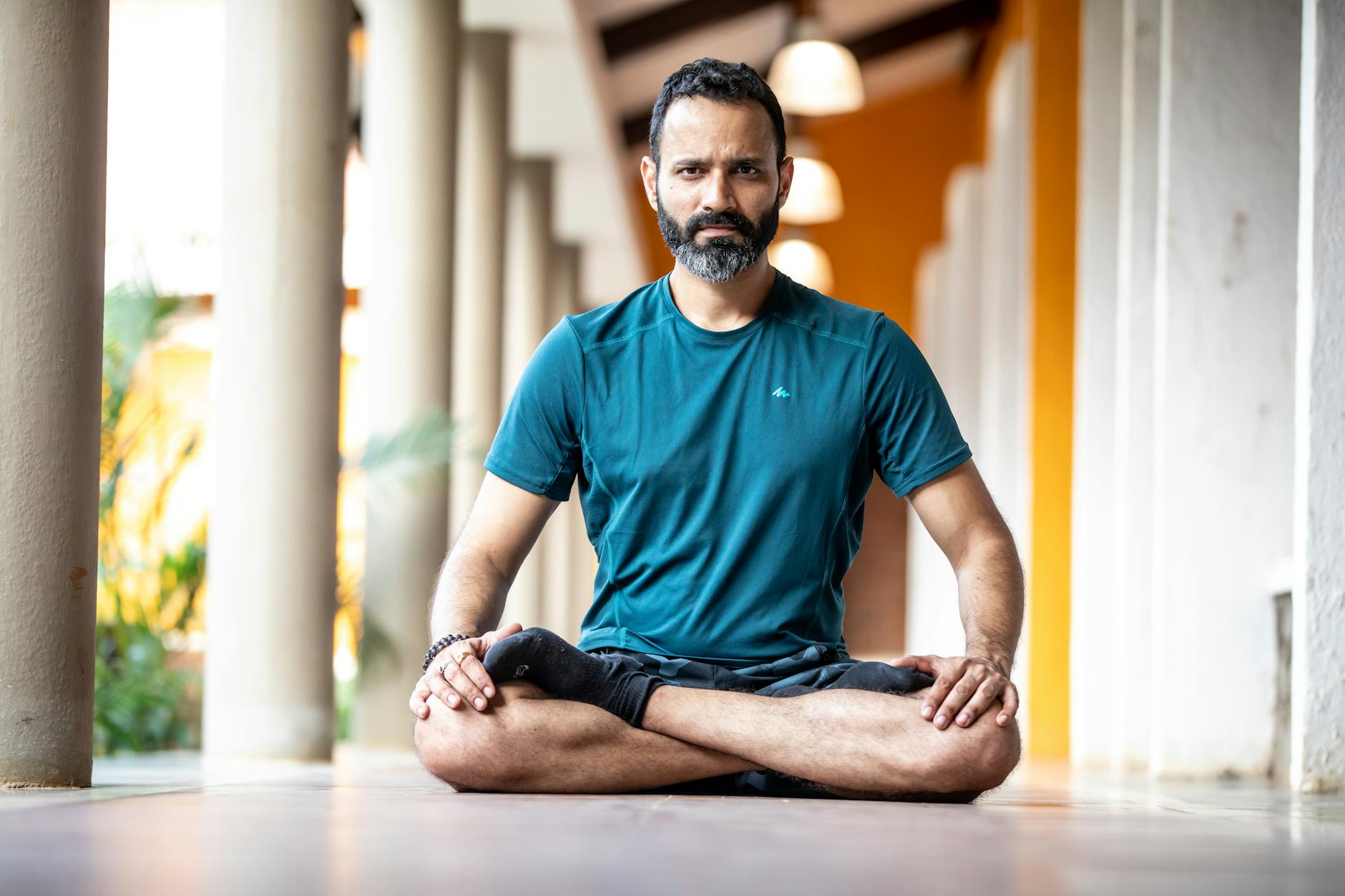
The Importance of Inner Peace and Mental Balance in Modern Life
Understanding Stress, Emotional Well-Being, and the Need for a Balanced Lifestyle
Introduction
Modern life has become increasingly fast, demanding, and competitive. People today often remain occupied with work, financial responsibilities, social expectations, future planning, and personal commitments. While technological progress and professional growth have improved living standards in many ways, they have also increased mental pressure and emotional exhaustion for many individuals.
In daily life, many people silently experience stress, irritation, anxiety, mental fatigue, and emotional imbalance. Outwardly, everything may appear normal, yet internally the mind may feel burdened and restless. Such feelings are becoming common among individuals from all walks of life, including professionals, employees, businesspersons, students, homemakers, and senior citizens.
Mental peace and emotional balance are not luxuries. They are essential components of a healthy and meaningful life. A calm mind helps individuals make balanced decisions, maintain healthier relationships, and manage challenges more effectively.
This article discusses practical habits and simple lifestyle approaches that may help individuals maintain inner peace and mental balance in their day-to-day lives.
1. Understanding Mental Fatigue in Daily Life
Mental fatigue does not always arise from major problems. Sometimes continuous pressure, excessive responsibilities, lack of rest, and constant emotional strain slowly affect the mind over time.
Common signs of mental fatigue may include:
- Continuous irritation over small matters
- Feeling mentally exhausted without clear reasons
- Difficulty concentrating or making decisions
- Increased stress and emotional reactions
- Lack of interest in small joys of life
- Disturbed sleep patterns
- Constant worrying about future uncertainties
- Reduced patience in personal or professional relationships
Ignoring these signs for a long period may gradually affect both mental and physical well-being.
2. Why Immediate Reactions Disturb Mental Peace
One of the major reasons behind emotional imbalance is the habit of reacting instantly to every situation. In today’s digital and fast-moving environment, people often respond emotionally without taking time to think calmly.
Frequent anger, irritation, or impulsive responses may increase stress levels and disturb relationships. In many situations, silence, patience, and thoughtful responses prove more effective than immediate emotional reactions.
A calm response often helps individuals:
- Think more clearly
- Avoid unnecessary conflicts
- Improve communication
- Maintain emotional stability
- Preserve personal and professional relationships
True emotional strength often lies in self-control and balanced thinking.
3. The Role of Physical Health in Mental Balance
Mental wellness and physical health are closely connected. Neglecting the body frequently affects the mind as well.
Certain simple habits may positively support emotional well-being:
(i) Regular Walking or Exercise
Light physical activity such as walking, stretching, yoga, or exercise may help reduce stress and improve mood. Physical movement often relaxes the mind and increases energy levels.
(ii) Proper Sleep
Inadequate sleep may increase irritability, emotional imbalance, and mental exhaustion. Maintaining a regular sleep schedule is important for emotional stability.
(iii) Balanced Diet
Healthy eating habits support overall wellness. Timely meals and proper nutrition may positively influence both physical and mental health.
4. The Need for Digital Detox
Modern lifestyles involve continuous exposure to mobile phones, social media, news updates, and digital communication. Excessive screen time may create mental overload and reduce emotional calmness.
Continuous digital exposure can sometimes lead to:
- Information overload
- Increased anxiety and comparison
- Reduced concentration
- Sleep disturbances
- Mental exhaustion
A digital detox does not necessarily mean abandoning technology completely. It simply means creating healthy boundaries.
Some practical steps may include:
- Keeping phones away during meals
- Reducing unnecessary social media usage
- Spending time outdoors
- Creating screen-free periods during the day
- Avoiding excessive negative content consumption
Small reductions in screen dependency may significantly improve mental clarity and emotional peace.
5. Importance of Silence, Meditation, and Mindfulness
Silence and mindfulness practices may help calm the mind and improve emotional awareness. Spending even a few quiet minutes daily may positively influence thoughts and energy.
Simple practices may include:
- Morning silence for a few minutes
- Deep breathing exercises
- Prayer or meditation
- Mindful sitting without distractions
- Gratitude reflection
These practices may help individuals slow down mentally and become more emotionally balanced.
6. Sharing Feelings and Emotional Communication
Many individuals try to handle emotional pressure alone. However, sharing thoughts and feelings with trusted family members, friends, or loved ones may provide emotional relief.
Healthy communication often helps in:
- Reducing emotional burden
- Improving relationships
- Preventing isolation
- Building emotional support systems
- Increasing mental comfort
Seeking emotional support should not be viewed as weakness. Open communication is often an important part of emotional well-being.
7. Balancing Career, Family, and Personal Life
Many people become so focused on future security and professional success that they unintentionally ignore present happiness, family relationships, and personal health.
Financial stability is important, but life balance requires equal attention to:
- Physical health
- Mental peace
- Family relationships
- Personal happiness
- Emotional wellness
True success is not measured only through financial achievements. A peaceful mind, healthy relationships, and emotional stability are equally valuable aspects of life.
8. Making Time for Yourself
Life should not become only a list of responsibilities and obligations. Individuals should consciously dedicate time for self-care and emotional relaxation.
Simple self-care activities may include:
- Reading books
- Listening to calming music
- Spending time with family
- Walking in nature
- Pursuing hobbies
- Practicing gratitude
- Taking adequate rest
Small positive routines may gradually create major improvements in overall well-being.
9. Small Positive Changes Create Long-Term Impact
Mental peace is not achieved through one major action. It is usually built slowly through consistent positive habits and balanced thinking.
Gradual improvements in daily routine, emotional responses, physical care, and personal awareness may significantly improve quality of life over time.
Even small actions such as:
- Sleeping on time
- Taking short walks
- Reducing unnecessary arguments
- Limiting negative content
- Practicing patience
- Spending time with loved ones
may create meaningful long-term emotional benefits.
Conclusion
Modern life brings responsibilities, challenges, and pressures for almost everyone. However, maintaining inner peace and emotional balance is equally important for living a healthy and meaningful life.
A calm and balanced mind often leads to better decisions, healthier relationships, improved productivity, and greater emotional resilience. Mental peace should not be ignored in the pursuit of success, wealth, or future security.
Individuals should remember that good health, emotional stability, peaceful relationships, and self-awareness are among life’s greatest assets. Small positive lifestyle changes, practiced consistently over time, may help create a calmer, healthier, and more balanced life.
Ultimately, emotional balance is not about avoiding challenges; it is about learning to handle life with patience, awareness, and inner strength.
Message to Readers
Take care of your mind just as you take care of your responsibilities. Do not ignore signs of stress, exhaustion, or emotional fatigue. Small daily habits, positive thinking, healthy routines, and meaningful relationships can gradually improve overall well-being.
Life is not only about reaching goals; it is also about living peacefully, maintaining balance, and appreciating the present moment.
Disclaimer
This article is prepared solely for general educational, awareness, and informational purposes based on common life experiences and general observations regarding stress management, emotional wellness, and balanced living. The discussion is general in nature and does not constitute medical, psychological, legal, financial, or professional advice of any kind.
Readers are advised to consult qualified medical practitioners, mental health professionals, counselors, or other appropriate experts for specific concerns relating to physical health, mental health, emotional conditions, or personal circumstances. The article does not promote or criticize any individual, ideology, organization, or professional approach.
Ashok Kakkar
#Mental Health #Inner Peace # Stress Management # Emotional Balance #Mindfulness #Healthy Lifestyle # Work Life Balance #Positive Thinking