Revival of Limitation in Bank Loans
Understanding Balance Confirmation and Revival Letters in Banking Practice
Introduction
In banking and financial transactions, recovery of dues through legal proceedings is closely connected with the law of limitation. Even where valid loan documents and securities are available, banks must ensure that recovery action is initiated within the legally prescribed time period. Failure to maintain continuity of limitation may adversely affect the enforceability of recovery proceedings.
In practical banking operations, therefore, banks regularly obtain certain documents from borrowers to preserve limitation and maintain continuity of legal remedies. Among the most commonly used documents are Balance Confirmation Letters and Revival Letters.
This subject is highly relevant not only for bankers, but also for borrowers, legal professionals, insolvency practitioners, students, and recovery officers dealing with financial matters.
1. Understanding the Concept of Limitation in Banking
The law of limitation prescribes the time period within which legal proceedings must be initiated before a competent forum.
In India, the relevant legal provisions are mainly governed by the Limitation Act, 1963.
Generally, in banking transactions:
- Recovery suits based on written contracts usually carry a limitation period of three years from the date the debt becomes due.
- Mortgage enforcement actions may extend up to twelve years in certain situations.
- Certain Government-related claims may continue for longer periods as permitted under law.
If the limitation period expires, the debt itself may not disappear, but the legal remedy for recovery through courts or tribunals may become restricted.
Therefore, banks continuously monitor limitation dates in loan accounts.
2. Importance of Limitation Monitoring in Banks
Monitoring limitation is an important part of credit administration and recovery management.
Banks maintain records of:
- sanction dates,
- renewal dates,
- acknowledgment dates,
- part payments,
- legal actions initiated,
- and execution of revival documents.
This helps in ensuring that legal enforceability of the debt remains protected.
In large loan accounts, banks often seek legal opinion to verify continuity of limitation, particularly where mortgage securities or long-standing irregular accounts are involved.
3. What is a Balance Confirmation Letter?
A Balance Confirmation Letter is a written acknowledgment by the borrower confirming the outstanding balance in the loan account.
Its legal significance arises from Section 18 of the Limitation Act, 1963, which provides that acknowledgment of liability made in writing before expiry of limitation gives rise to a fresh limitation period.
In practical banking operations, balance confirmations are obtained:
- during annual review of accounts,
- during renewal of limits,
- during inspection or monitoring,
- and periodically as part of documentation discipline.
Apart from limitation purposes, balance confirmations also help in confirming correctness of account entries and reducing future disputes relating to debits or interest calculations.
4. Practical Importance of Balance Confirmation
Balance confirmation serves multiple practical purposes:
- It preserves continuity of limitation.
- It confirms acknowledgment of liability by the borrower.
- It strengthens the bank’s legal position during recovery proceedings.
- It minimizes disputes regarding outstanding dues.
- It supports internal audit and compliance requirements.
Banks generally prefer obtaining such confirmations periodically rather than waiting until the limitation period is close to expiry.
5. Revival Letters and Their Banking Significance
A Revival Letter is another important document commonly used in banking practice.
By executing a revival letter, the borrower acknowledges that the debt remains due and payable.
In banking practice, revival letters may also be referred to as:
- acknowledgment of debt,
- debt confirmation,
- revival-cum-balance confirmation.
Like balance confirmation, revival letters also derive legal validity from Section 18 of the Limitation Act.
If executed before expiry of limitation, the limitation period starts afresh from the date of execution.
6. Important Precautions While Obtaining Revival Letters
Banks usually observe several precautions while obtaining revival letters:
- The document should be obtained before expiry of limitation.
- Signatures should be properly verified.
- Appropriate stamp requirements applicable under state laws should be followed.
- Proper records and system entries should be maintained.
- The acknowledgment should clearly cover the outstanding liability.
A revival letter signed after expiry of limitation may not provide the intended legal benefit.
Therefore, timely execution is extremely important.
7. Extension of Limitation Through Part Payment
Under Section 19 of the Limitation Act, limitation may also extend through part payment of debt.
If:
- the borrower makes payment towards the loan account,
- such payment is made before expiry of limitation,
- and the payment is properly acknowledged,
then a fresh limitation period may commence from the date of such payment.
In banking practice, such payments may occur through:
- instalment payments,
- deposit into loan accounts,
- adjustment of proceeds,
- or other acknowledged repayments.
8. Whether Transactions in Loan Accounts Can Extend Limitation
In certain situations, transactions in the account may have relevance while examining limitation continuity.
Examples may include:
- written communications acknowledging dues,
- borrower-confirmed statements,
- acknowledged account operations.
However, courts generally prefer clear written acknowledgment of liability. Therefore, banks rely mainly upon properly executed revival letters and balance confirmation documents rather than merely depending upon account transactions.
9. Situation Where Borrower Has Expired
Where the borrower has expired, practical difficulties may arise because acknowledgment cannot be obtained from the deceased borrower.
In such situations, banks may consider the following steps:
1. Acknowledgment from Legal Heirs
Legal heirs may acknowledge liability to the extent of the estate inherited by them.
However:
- legal heirs are generally not personally liable beyond inherited assets,
- and acknowledgment should preferably be obtained from all concerned legal heirs who inherited the estate.
2. Fresh Documentation
Where legally permissible, banks may obtain:
- fresh acknowledgment,
- debt confirmation,
- or fresh documentation from legal representatives.
3. Legal Proceedings
Where limitation is close to expiry, banks may initiate legal proceedings before competent forums such as:
- Debt Recovery Tribunal (DRT),
- Civil Courts,
- or insolvency forums where applicable.
10. Action When Limitation is Near Expiry
When limitation is approaching expiry, banks generally act promptly to preserve legal remedies.
Possible actions may include:
- Obtaining revival letters,
- Obtaining balance confirmations,
- Accepting acknowledged part payments,
- Filing recovery proceedings before competent forums.
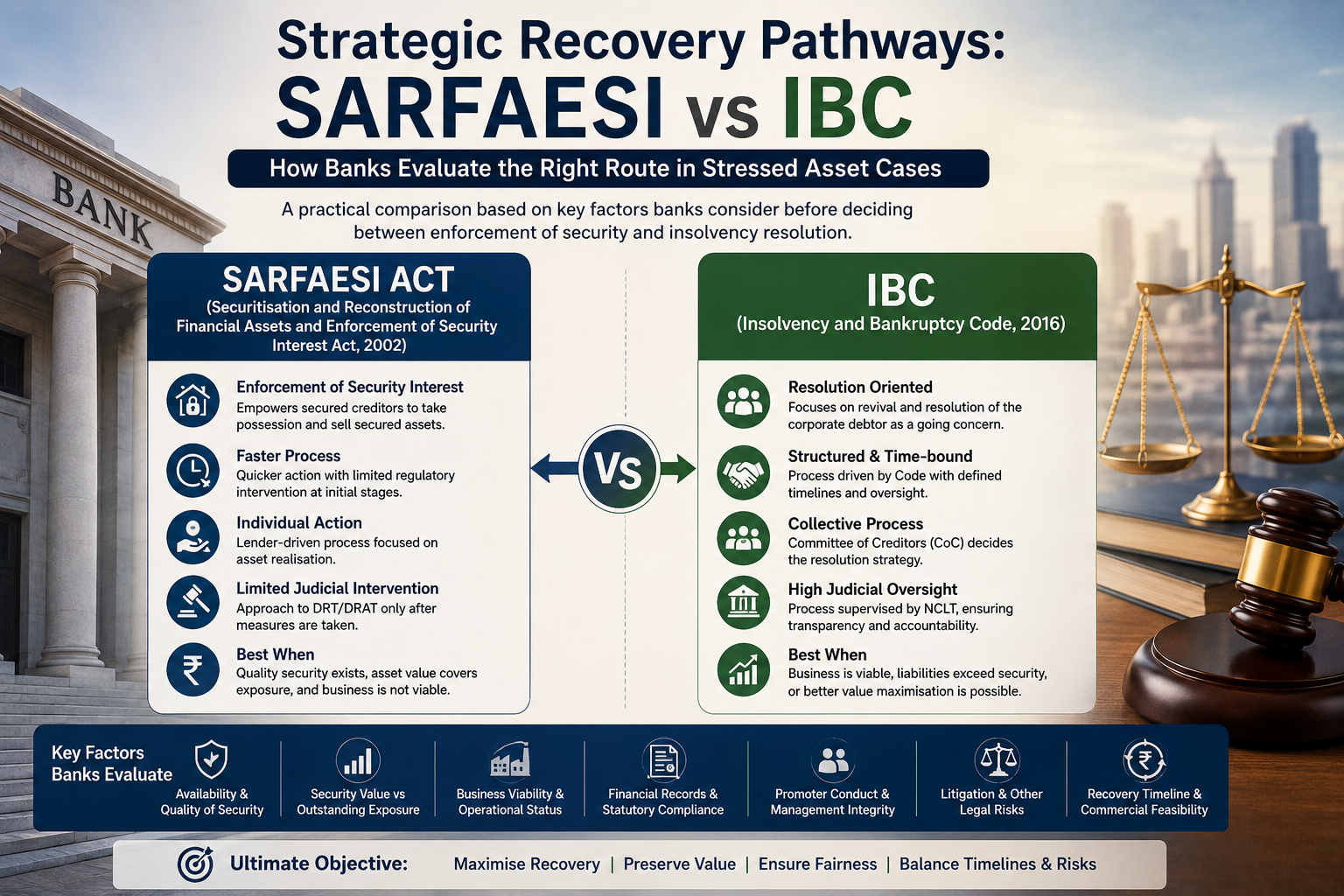
Where secured assets are available, action under the SARFAESI Act, 2002 may also be considered in accordance with applicable legal provisions.
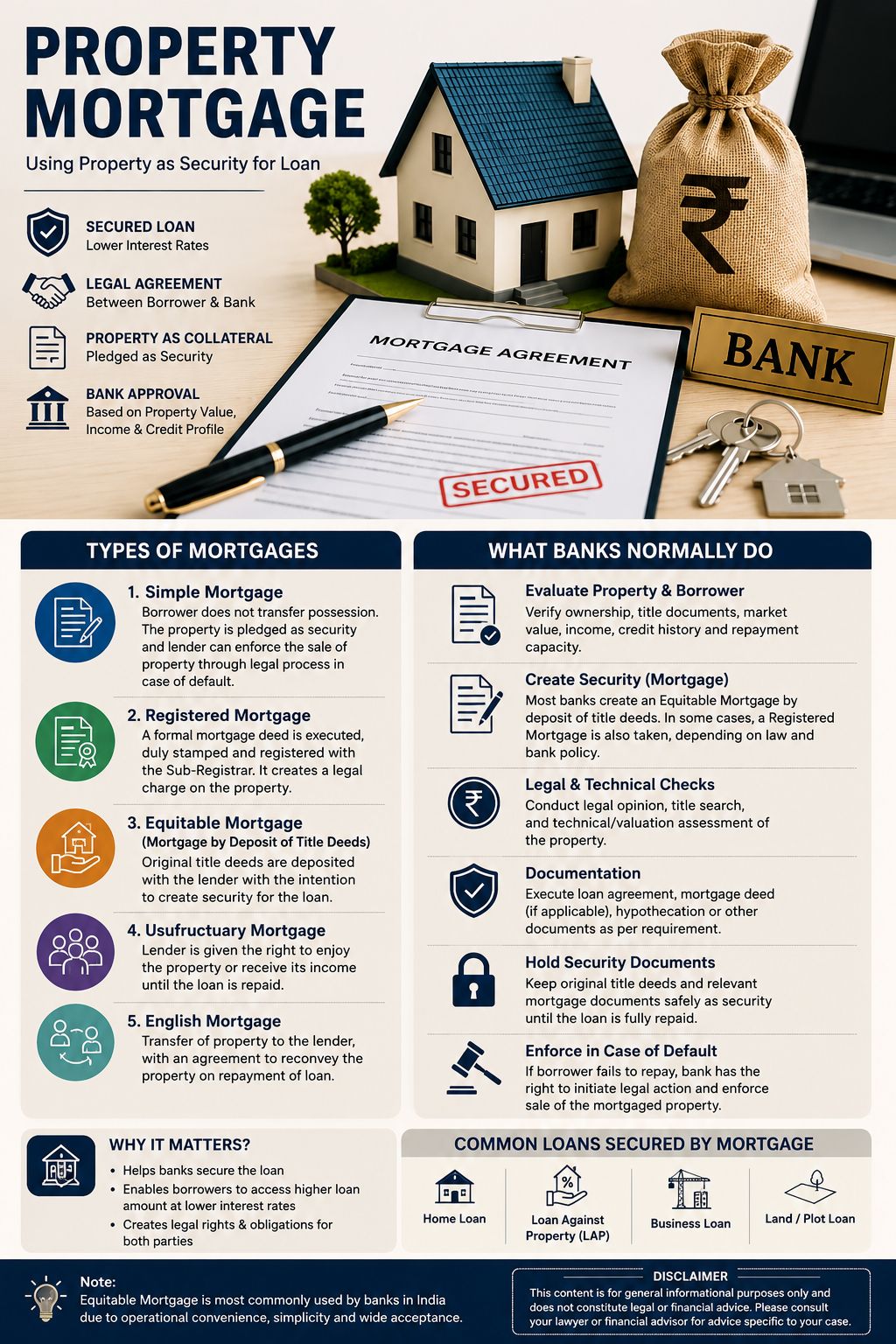
Since mortgage enforcement may continue for a longer period in certain cases, secured remedies may remain available even where ordinary recovery limitation issues arise.
11. Stamp Requirements for Revival Letters
Stamp duty requirements for revival letters vary according to the applicable State Stamp Laws.
Generally:
- revival documents may require adhesive stamps or execution on stamped paper,
- stamps should be properly cancelled,
- signatures preferably should cancel the stamps,
- and banks usually follow standard documentation procedures approved under internal legal guidelines.
Compliance with stamp requirements is important for admissibility and enforceability of documents.
12. Importance of Proper Documentation Discipline
Proper documentation discipline remains one of the most important aspects of banking operations.
Failure to maintain continuity of limitation may weaken the bank’s position during recovery proceedings.
Therefore, timely execution of:
- revival letters,
- balance confirmations,
- acknowledgments,
- and proper legal action
forms an important part of prudent banking practice.
Conclusion
The law of limitation plays a highly significant role in banking recovery matters. While sanction of loans, documentation, and monitoring are essential functions of credit administration, equal importance must be given to preservation of legal enforceability of debt.
Balance confirmation letters and revival letters are not merely routine procedural documents; they are important legal instruments that help maintain continuity of limitation and strengthen recovery rights.
Awareness of these practical aspects is extremely useful for bankers, borrowers, legal professionals, insolvency practitioners, students, and others associated with financial and recovery matters.
Proper understanding and timely action can help avoid limitation-related complications and support effective recovery management.
Message to Readers
This subject is particularly useful for:
- bankers,
- borrowers,
- advocates,
- recovery officers,
- insolvency professionals,
- CA students,
- law students,
- and financial professionals.
Many practical issues relating to limitation become clear only through exposure to actual banking operations and recovery proceedings. Therefore, understanding these concepts is valuable not only academically but also professionally.
Disclaimer
This article is intended solely for educational and informational purposes. The discussion is based on general legal principles and common banking practices. Readers are advised to refer to applicable laws, judicial decisions, institutional policies, and professional advice before taking action in specific cases. The article avoids interpretation of disputed legal positions and should not be treated as legal opinion or professional advice.
By.Ashok Kakkar
# Banking Law, # Limitation Act 1963, # Revival Letter # Balance Confirmation,# Loan Recovery #SARFAESI Act #Debt Recovery Tribunal #Banking Documentation