google-site-verification: googledf360471e5e08135.html

Tag: #CIRP

  • Strategic Recovery Pathways: How Banks Evaluate SARFAESI vs IBC in Stressed Asset Cases

    Strategic Recovery Pathways: How Banks Evaluate SARFAESI vs IBC in Stressed Asset Cases

    Strategic Recovery Pathways: How Banks Evaluate SARFAESI vs IBC in Stressed Asset Cases

    Understanding the Practical Decision-Making Process in Modern Recovery and Insolvency Matters

    Background

    In today’s evolving banking and insolvency environment, recovery of stressed assets has become one of the most complex and commercially sensitive areas for banks, financial institutions, insolvency professionals, chartered accountants, advocates, and other stakeholders.

    Whenever a borrower account turns into a Non-Performing Asset (NPA), lenders are often faced with an important practical question:

    Should recovery action be initiated under the SARFAESI Act, or should proceedings under the Insolvency and Bankruptcy Code (IBC) be considered?

    In practical situations, this decision is rarely based only on legal provisions or availability of collateral security. Instead, it usually involves a broader evaluation of financial exposure, operational viability, statutory compliance, governance issues, litigation risks, promoter conduct, stakeholder interests, and long-term recovery prospects.

    From a professional banking perspective, the objective is not merely enforcement of security but maximization of recovery while balancing timelines, economic feasibility, continuity of operations, and overall stakeholder value.

    This article attempts to discuss some of the key practical factors that are commonly evaluated by lenders while determining the appropriate recovery strategy.

    1. Understanding the Difference Between SARFAESI and IBC

    Before examining the practical considerations, it is important to understand the broad distinction between the two frameworks.

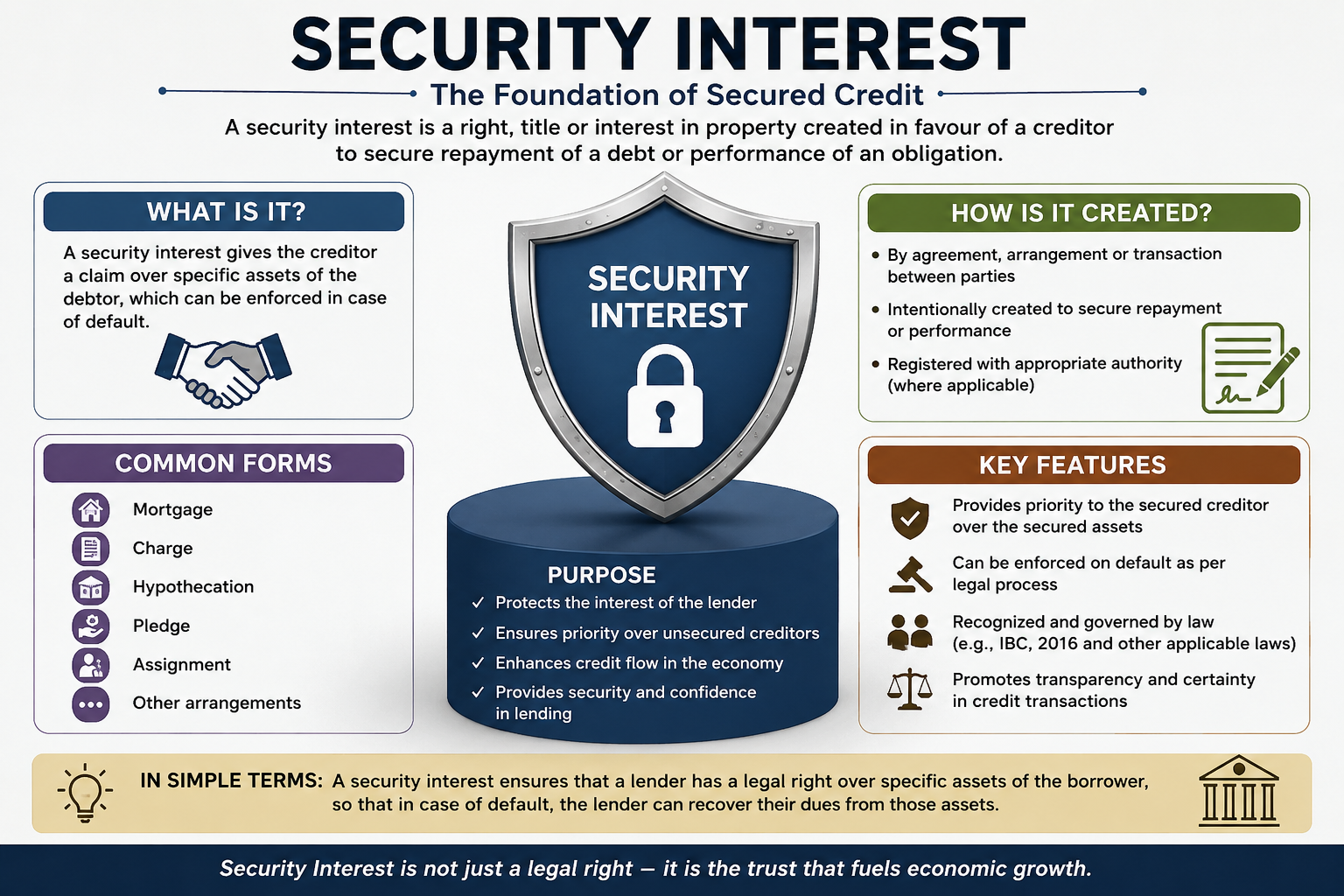
    The SARFAESI Act primarily enables secured creditors to enforce their security interest and recover dues through possession and sale of secured assets without requiring direct court intervention at the initial stages.

    The Insolvency and Bankruptcy Code (IBC), on the other hand, provides a structured insolvency resolution mechanism focused on revival and resolution of the corporate debtor through a collective process supervised by the Adjudicating Authority.

    While SARFAESI is generally associated with enforcement of security, IBC is more focused on resolution, restructuring, and preservation of enterprise value wherever feasible.

    Accordingly, lenders usually evaluate multiple practical aspects before deciding the appropriate route.

    2. Availability and Quality of Secured Assets

    One of the primary considerations for banks is the quality and enforceability of the available security.

    Lenders generally assess:

    1. Whether adequate mortgage or security is available.
    2. Marketability and realizable value of assets.
    3. Physical condition and location of the secured property.
    4. Ease of taking possession and conducting sale.
    5. Existence of title disputes or property-related litigation.

    Where secured assets are commercially valuable, identifiable, and capable of relatively faster realization, lenders may consider SARFAESI proceedings as a practical recovery mechanism.

    However, availability of security alone may not always ensure effective recovery if enforcement becomes commercially difficult or legally complicated.

    3. Security Value Versus Outstanding Exposure

    Another important consideration is whether the realizable security value is sufficient to substantially cover the total outstanding dues.

    Banks usually evaluate:

    1. Probability of recovery shortfall after sale.
    2. Risk of distress value erosion.
    3. Future depreciation in value of assets.
    4. Additional unsecured exposure and contingent liabilities.

    In many stressed accounts, total liabilities significantly exceed the realizable value of secured assets. In such situations, isolated sale of properties may not generate meaningful recovery.

    Further, piecemeal sale of assets may adversely affect the future viability of the remaining business operations. Consequently, lenders may examine whether collective resolution under IBC could potentially provide better value maximization.

    4. Operational Status and Viability of Business

    From a strategic perspective, lenders also evaluate whether the borrower’s business is still operational and commercially viable.

    Important practical considerations include:

    1. Continuity of operations.
    2. Existing cash flow generation.
    3. Market sustainability of the business.
    4. Availability of operational records and management information.
    5. Potential for revival as a going concern.

    Where business continuity and revival appear commercially feasible, lenders may consider IBC proceedings more strategically instead of relying solely on distress sale of individual assets.

    Continuation of operations under a regulated framework may sometimes preserve significantly higher enterprise value.

    5. Financial Records and Statutory Compliance Position

    In practical recovery matters, one of the biggest challenges faced by banks is poor financial discipline and non-compliance by stressed borrowers.

    Lenders commonly examine:

    1. Availability and reliability of financial statements.
    2. GST compliance status and return filings.
    3. Income Tax liabilities and pending proceedings.
    4. ROC filings and corporate compliance status.
    5. Pending statutory dues and notices.
    6. Audit irregularities and compliance gaps.

    In several stressed accounts, records may be incomplete, unreliable, or outdated, making independent decision-making difficult for banks and lenders.

    In such situations, lenders may sometimes prefer the structured mechanism available under IBC because the Resolution Professional (RP) is legally obligated to function in accordance with law and under the supervision of the Committee of Creditors (CoC) and Adjudicating Authority.

    This framework often provides financial creditors with better visibility and collective oversight of the insolvency process.

    6. Promoter Cooperation and Governance Concerns

    Promoter conduct and management cooperation materially influence recovery strategy.

    Banks usually evaluate:

    1. Cooperation from promoters and directors.
    2. Availability of books, records, and asset-related details.
    3. Governance standards and transparency.
    4. Concerns relating to diversion or siphoning of funds.
    5. Willingness to support restructuring or settlement.

    Where governance issues become serious or promoter cooperation remains weak, lenders may consider independent monitoring under IBC to be commercially more suitable.

    7. Employee, Labour, and Litigation-Related Exposure

    In many stressed accounts, recovery proceedings are further complicated by multiple litigations and stakeholder claims.

    These may include:

    1. Employee and labour dues.
    2. Operational creditor claims.
    3. Tax disputes and statutory proceedings.
    4. Civil and regulatory litigation.
    5. Proceedings affecting assets or business operations.

    Standalone enforcement under SARFAESI in such situations may sometimes create fragmented legal complications and procedural delays.

    One of the important features under IBC is the moratorium mechanism, which restricts certain recovery actions and legal proceedings against the corporate debtor during the insolvency process.

    This protection may help maintain continuity of operations despite litigation pressure and enable the business to function under a regulated framework.

    8. Why IBC May Sometimes Be Strategically Preferred

    In complex stressed accounts involving multiple stakeholders, statutory non-compliances, operational issues, or litigation exposure, lenders may sometimes strategically evaluate the IBC route.

    Some commonly observed reasons include:

    1. Management shifts to an independent Resolution Professional.
    2. RP functions under provisions of law and directions of the CoC.
    3. Proceedings remain under supervision of the Adjudicating Authority.
    4. Moratorium protection may support continuity of operations.
    5. Financial creditors obtain a collective and structured view of the corporate debtor.

    In certain cases, lenders may consider that continuation of the business as a going concern under regulated supervision could potentially result in better long-term recovery than immediate distress sale of individual secured assets.

    9. Resolution Possibility and Economic Considerations

    Another important commercial consideration is whether the stressed entity can attract successful resolution applicants or new investors.

    Banks may evaluate:

    1. Possibility of fresh fund infusion.
    2. Scope for takeover by new management.
    3. Preservation of employment and operations.
    4. Continuation of economic activity.
    5. Long-term stakeholder value creation.

    Where viable resolution becomes possible, the business may continue under better management with improved operational efficiency.

    Such outcomes may benefit:

    • Financial creditors
    • Operational creditors
    • Employees
    • Statutory authorities
    • Suppliers and vendors
    • Overall economic activity

    Accordingly, preservation of a viable enterprise under IBC may sometimes serve broader commercial and economic interests beyond immediate recovery.

    10. Time, Cost, and Recovery Efficiency

    Finally, lenders generally conduct a practical cost-benefit analysis before deciding the recovery route.

    Key considerations include:

    1. Estimated timelines.
    2. Litigation risks and procedural delays.
    3. Cost of proceedings.
    4. Probability of effective realization.
    5. Commercial feasibility of enforcement.

    Ultimately, recovery strategy is often influenced more by practical recoverability and value maximization rather than theoretical security coverage alone.

    Conclusion

    In practical banking and insolvency matters, the choice between SARFAESI and IBC is not merely a legal decision but a strategic commercial assessment based on the facts and circumstances of each case.

    Banks, financial institutions, insolvency professionals, chartered accountants, legal advisors, and other stakeholders generally evaluate asset quality, operational viability, statutory compliance, governance concerns, litigation exposure, stakeholder interests, and long-term recovery prospects before selecting the appropriate framework.

    In some situations, enforcement under SARFAESI may appear commercially appropriate. In other cases — particularly where operational continuity, compliance supervision, enterprise revival, and stakeholder protection become important — proceedings under IBC may potentially provide better value realization.

    The evolving recovery and insolvency ecosystem continues to shape how lenders balance enforcement, resolution, and economic sustainability in stressed asset matters.

    Professionals may also share additional practical factors which, in their experience, significantly influence such strategic decision-making processes.

    Disclaimer

    This article is intended solely for academic discussion, professional knowledge-sharing, and general awareness purposes. It does not constitute legal advice, financial recommendation, recovery opinion, insolvency opinion, or strategic guidance for any specific account or proceeding. Decisions relating to SARFAESI actions, insolvency proceedings, restructuring, or recovery mechanisms should always be taken after considering the specific facts, applicable laws, regulatory framework, judicial developments, and professional advice relevant to each individual case.

    Ashok Kakkar

    Advocate & Insolvency Professional, Former Banker

    Ashok Kakkar is an independent writer, banking professional, and financial awareness enthusiast with extensive experience in banking operations, recovery matters, and legal-practical issues relating to finance and insolvency. He regularly shares simplified and experience-based insights on banking systems, credit discipline, recovery mechanisms, financial literacy, and legal awareness with the objective of making complex subjects understandable for professionals, borrowers, students, and the general public.

     Tags:
    #IBC, #SARFAESI, #Banking, #Recovery, #Insolvency, #NPA, #Finance, #CIRP, #ResolutionProfessional ,#CreditRisk, #Bankers,#

  • Kakkar Wisdom Hub is Now on YouTube

    Kakkar Wisdom Hub is Now on YouTube

    I am pleased to share that Kakkar Wisdom Hub has expanded its knowledge-sharing initiative through a dedicated YouTube channel.

    The channel aims to provide practical insights and simplified discussions on Banking, Finance, Recovery, Insolvency, and Legal Awareness based on professional experience accumulated over several decades in banking and legal practice.

    The objective is to make complex subjects easier to understand for students, young professionals, bankers, advocates, entrepreneurs, and individuals interested in these fields.

    I invite readers and learners to explore the channel and share their valuable suggestions for future topics and discussions.

    YouTube Channel:
    https://youtube.com/@kakkarwisdomhub

    Learning from Experience, Sharing with Purpose.

    Ashok Kakkar
    Advocate | Insolvency Professional | Former Banker

  • Welcome to Professional Wisdom Hub

    Welcome to Professional Wisdom Hub

    Welcome to Professional Wisdom Hub

    Banking • Finance • Legal Learning Series

    Turning Experience into Learning Opportunities for Future Professionals

    In every profession, knowledge is acquired through education, training, observation, and experience. While academic learning provides a strong foundation, practical understanding develops through years of professional engagement, decision-making, problem-solving, and interaction with real-life situations. The lessons learned through experience often extend beyond what can be found in textbooks and classrooms.

    With this belief and objective, I am pleased to introduce Professional Wisdom Hub, a knowledge-sharing initiative dedicated to practical learning and professional development in the fields of Banking, Finance, Recovery, Insolvency, and Law.

    Having spent more than four decades in the banking sector and subsequently practicing as an Advocate and Insolvency Professional, I have had the opportunity to work across diverse areas including banking operations, credit management, loan documentation, recovery proceedings, legal compliance, SARFAESI matters, Debt Recovery Tribunal (DRT) proceedings, creation and enforcement of security interests, CERSAI registrations, insolvency resolution processes, and related legal and financial issues.

    Throughout this professional journey, one observation has remained constant: there exists a significant gap between theoretical knowledge and practical application. Students and young professionals often possess strong academic qualifications but seek practical insights that can help them understand how principles operate in real-world situations. At the same time, many experienced professionals carry valuable knowledge and practical wisdom that deserves to be documented, shared, and passed on to future generations.

    Professional Wisdom Hub has been conceived as a platform to bridge this gap.

    The initiative aims to create an environment where practical experiences, professional insights, case studies, regulatory developments, and real-world perspectives can be shared in a simple, understandable, and meaningful manner. The focus is not merely on explaining legal provisions or banking concepts but on understanding their practical implications and applications.

    The platform is intended for:

    • Banking professionals and banking aspirants
    • Finance professionals and students
    • Chartered Accountants, Company Secretaries, and management students
    • Advocates and law students
    • Insolvency professionals and insolvency enthusiasts
    • Entrepreneurs and business owners
    • Individuals interested in banking, finance, legal, and insolvency matters

    The proposed areas of discussion and learning include:

    • Banking Operations and Practices
    • Credit Management and Loan Documentation
    • Creation and Enforcement of Security Interests
    • Mortgages, Hypothecation, and Guarantees
    • SARFAESI Act and Recovery Mechanisms
    • Debt Recovery Tribunal (DRT) Proceedings
    • CERSAI Registration and Compliance
    • Insolvency and Bankruptcy Code (IBC)
    • Banking Frauds and Preventive Measures
    • Letters of Credit and Bank Guarantees
    • Regulatory and Legal Developments
    • Practical Case Studies and Professional Experiences

    Professional Wisdom Hub is envisioned not merely as a training programme but as a community of learning. Through articles, discussions, webinars, videos, interactive sessions, and knowledge-sharing initiatives, the endeavour seeks to encourage continuous learning and professional growth.

    The objective is simple: to transform professional experience into meaningful learning opportunities for those preparing to enter or advance within their chosen professions. Equally important is the opportunity to learn from the perspectives and experiences of others, thereby creating a mutually beneficial environment for knowledge exchange.

    I believe that professional wisdom acquires its true value when it is shared. Every experience, whether successful or challenging, carries lessons that may help others avoid mistakes, make informed decisions, and grow with confidence.

    I warmly invite professionals, students, practitioners, educators, and lifelong learners to join this journey of knowledge sharing and professional development. Your participation, suggestions, experiences, and perspectives will contribute to making this initiative meaningful and beneficial for all.

    Together, let us build a platform where experience becomes knowledge, knowledge becomes understanding, and understanding contributes to professional excellence.

    Professional Wisdom Hub

    Banking • Finance • Legal Learning Series

    Learning from Experience, Sharing with Purpose

    Ashok Kakkar
    M.Com, LL.B., LL.M., CAIIB
    Advocate | Insolvency Professional | Former Banker

     kakkarwisdomhub@gmail.com
    https://legalwisdomhub.in

    #Banking & Finance ,#Legal Education,# Insolvency & Bankruptcy ,#Career Guidance,# Knowledge Sharing